 We're Gas Safe registered: No: 676264
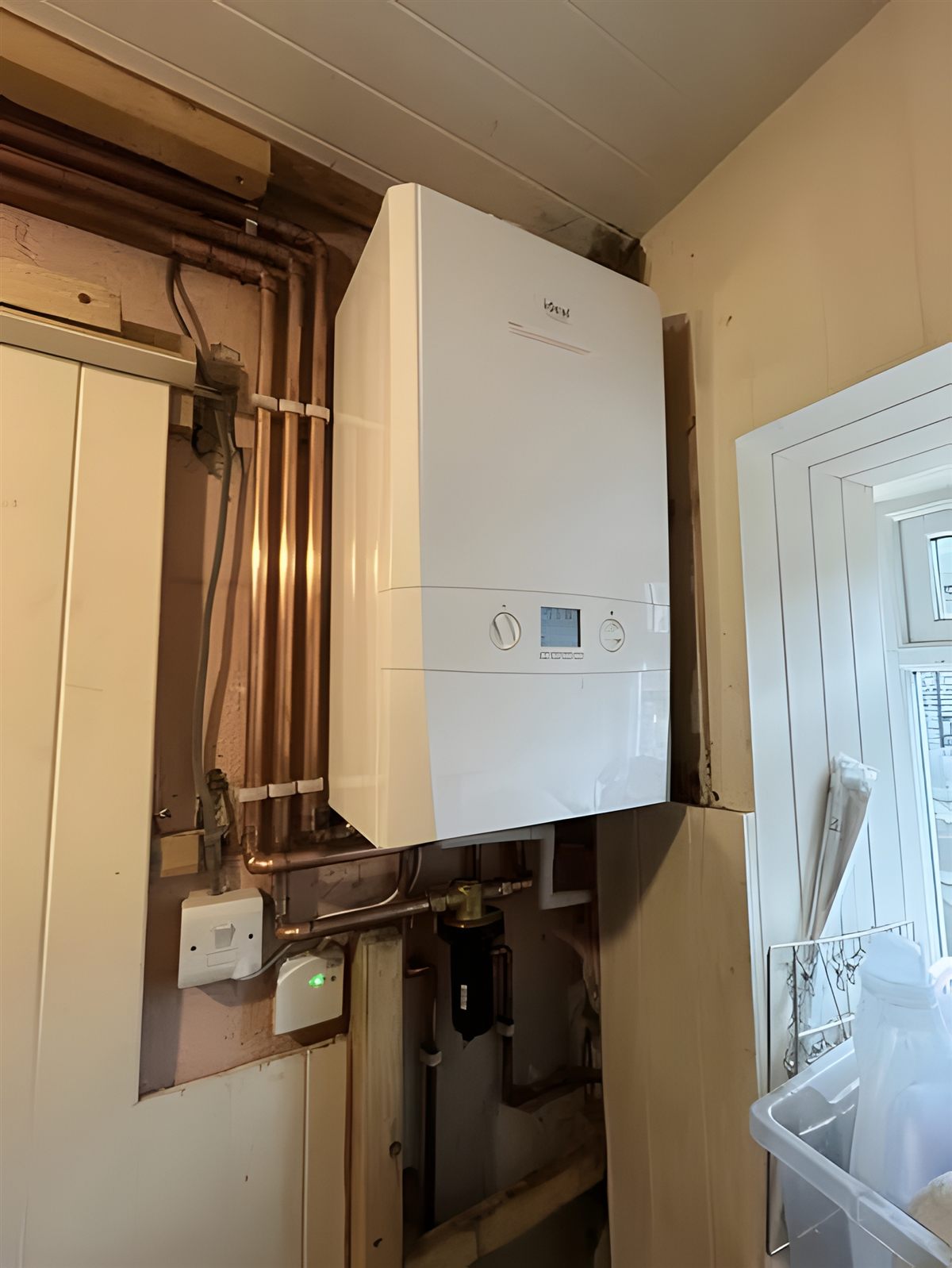
Hot water cylinders by SW Plumbing & Heating
Hot water cylinder repairs, replacements and immersion heaters across Skipton, the Yorkshire Dales, Craven and East Lancashire.
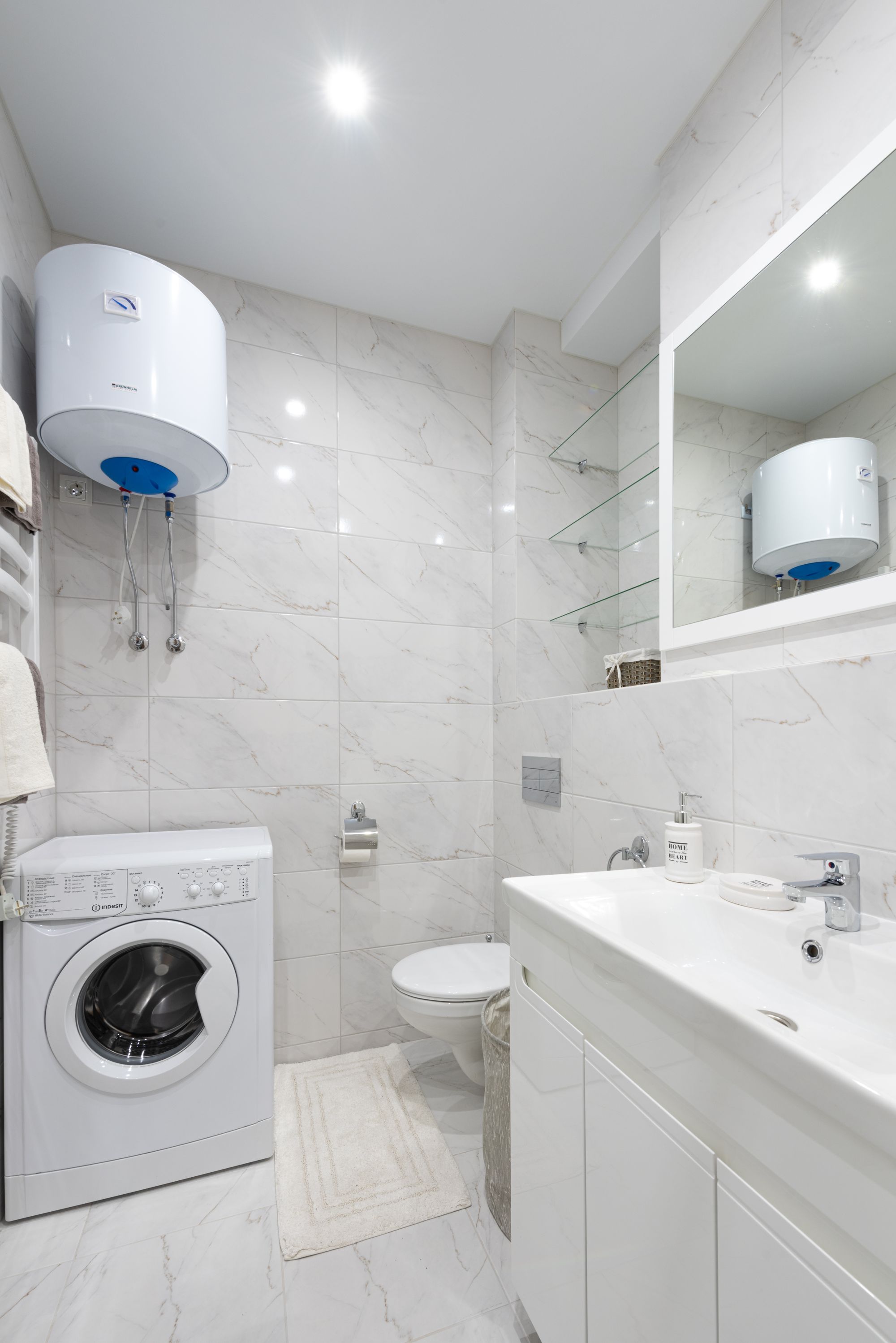
Hot water cylinders near you
If your home has a boiler that isn’t a combi, your hot water is probably stored in a cylinder, usually in an airing cupboard. When it goes wrong, you notice quickly. We look after hot water cylinders for homes across Skipton, the Yorkshire Dales, Craven and East Lancashire.
We’ll find out what’s wrong, explain it in plain English and agree the price with you before we start. If a part needs ordering, we’ll book a time to come back and finish the job.
The two main types
Vented cylinders
The traditional type, usually copper. A cold water tank in the loft feeds the cylinder by gravity, so the pressure at your taps depends on how high the tank sits above them. They’re simple, and often found with regular boilers in older homes.
Unvented cylinders
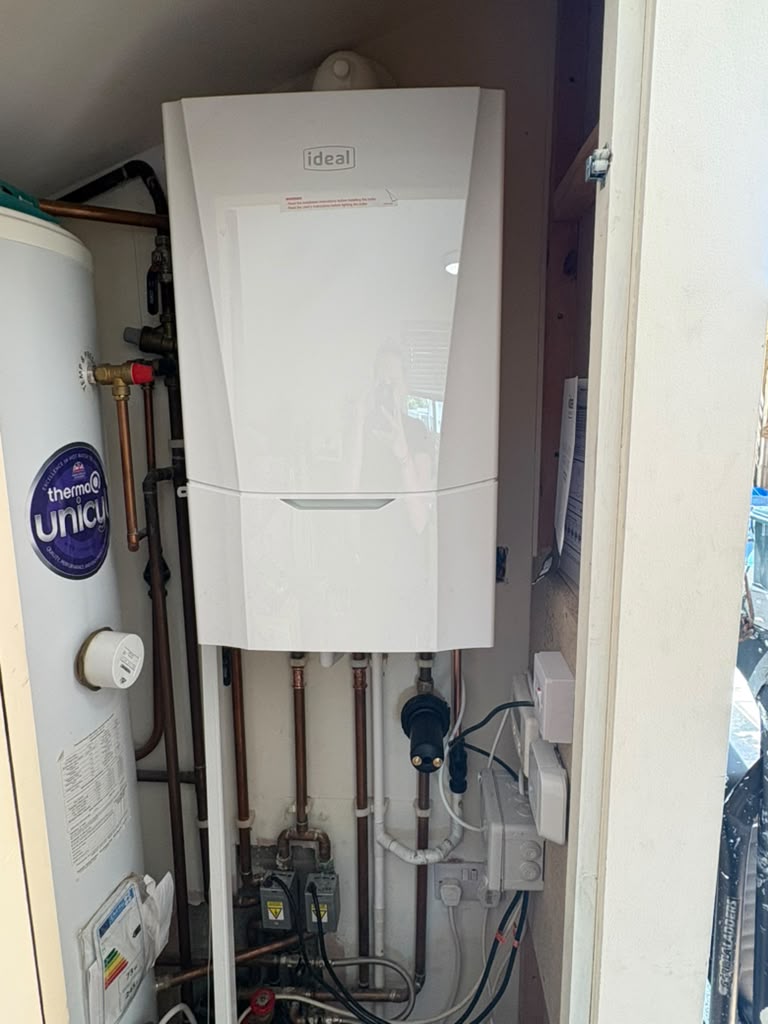
These run on mains pressure, so there’s no loft tank and the pressure at your taps and showers is usually much better. Because they store hot water under pressure, they have extra safety devices, including an expansion vessel, a temperature and pressure relief valve and a discharge pipe to a tundish.
Building Regulations ask that unvented cylinders are fitted by someone with the right qualification, and manufacturers recommend a yearly service. Check that whoever works on yours holds it.
Both types can be heated by the boiler, by an electric immersion heater, or both.
Signs your cylinder needs attention
- Hot water that’s only lukewarm, or runs out much faster than it used to
- No hot water from the immersion heater, or it never switches off
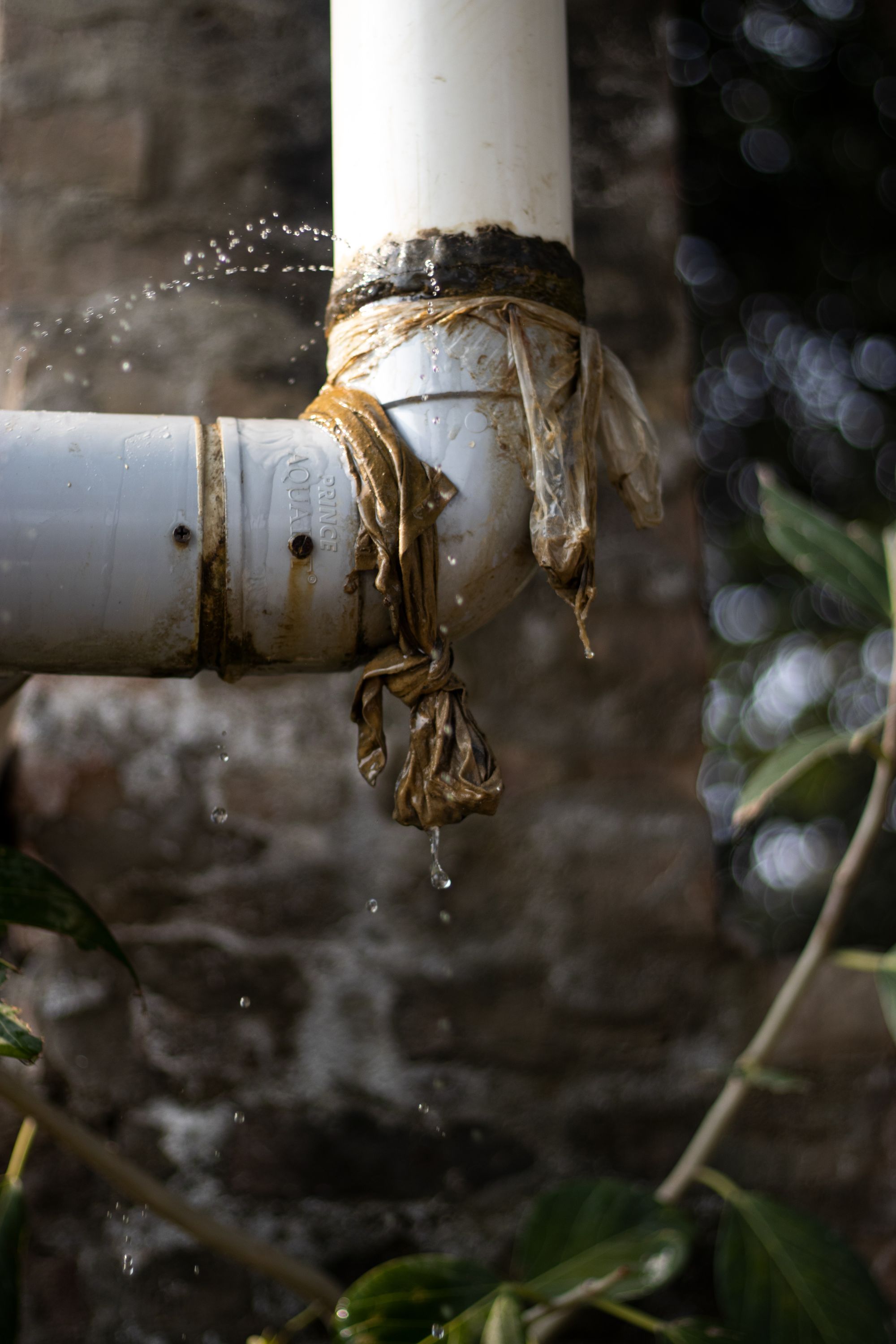
- Damp patches, drips or a green crust on the cylinder or its pipe joints
- Rumbling or banging from the airing cupboard
- Rusty or discoloured hot water
- Water dripping or running from the pipe under the tundish of an unvented cylinder
- Water overflowing from a pipe outside, which can point to a fault with the loft tank
Common problems
Immersion heater faults
Immersion heaters have an element and a thermostat, and either can fail. Hard water speeds this up, as limescale builds up on the element. A faulty immersion can usually be replaced without changing the cylinder.
Cylinder thermostat and valve faults
When the boiler heats the cylinder, a thermostat and a motorised valve control it. If these fail, you can end up with no hot water, or water that’s far too hot.
Leaks
Old copper cylinders can corrode and start to weep, often at the joints or around the base. Small leaks tend to get worse, so it’s worth having them looked at early.
Unvented safety valves
Water from the tundish pipe means a safety valve has opened. This is often caused by a faulty valve or an expansion vessel that has lost its charge, and should be checked promptly.
Things you can check safely
- Check the boiler timer is set to heat hot water, and that the hot water hasn’t been switched off
- Check the cylinder thermostat hasn’t been turned down by accident
- For the immersion heater, check its switch is on and the fuse or circuit breaker hasn’t tripped
- Look for damp or drips around the cylinder and its pipework
- Make sure the insulation jacket or factory foam is intact, as a poorly insulated cylinder loses heat
Don’t take the cover off an immersion heater or adjust the safety valves on an unvented cylinder yourself. If water is coming from the tundish, call us or another qualified engineer.
Keeping your water hot and safe
Stored hot water needs to be hot enough to stop legionella bacteria growing. Health and Safety Executive guidance is to store hot water at 60°C or above, and for it to reach at least 50°C at the taps. If your cylinder is set lower to save energy, it’s worth checking this.
Water this hot can scald, especially for children and older people. Thermostatic mixing valves on baths and showers help, and we can talk through the options.
A well insulated cylinder keeps water hot for longer and wastes less energy. Modern cylinders have factory-fitted foam. Older ones benefit from a good insulation jacket, and the Energy Saving Trust recommends one at least 80mm thick.
Repair or replace?
Many cylinder problems, such as a failed immersion, thermostat or motorised valve, are straightforward repairs. Replacement starts to make sense when the cylinder itself is leaking, badly corroded or too small for your household.
A new cylinder is also a good time to think about how you’d like your hot water to work. You might keep a similar vented cylinder, move to a mains-pressure unvented one, or switch to a combi boiler and do without a cylinder at all. We’ll explain the choices honestly so you can decide.
Questions people ask
How long does a cylinder last?
It depends on the type, water hardness and how well it’s been looked after. Many last for decades, but leaks and corrosion are more common in older copper cylinders.
What affects the cost?
Whether it’s a repair or a replacement, the type and size of cylinder, access to the airing cupboard and how much pipework needs changing. We agree the price with you before any work starts.
Can I run my hot water on the immersion if the boiler breaks down?
If your cylinder has an immersion heater, yes. It’s a useful backup, although it usually costs more to run than heating water with the boiler.
“Excellent work done by Simone. She is very careful in her work and everything is done to a high standard.”
“Our shower broke just before Christmas. Simone responded very fast, kept in touch throughout, and installed a new one swiftly and efficiently. Would definitely recommend.”
“Communication was excellent. Very knowledgeable, extremely thorough, will definitely use again. I would highly recommend. Thanks Simone”
Why customers choose us for their hot water.
We turn up on time
You'll get a message on the morning, and another if we're running late.
We answer questions
We tell you what's wrong and what we're doing, in words that make sense.
We do things right
Careful work, neat pipework, and your home left as tidy as we found it.
We price fairly
You'll know the price before any work starts.
We're fully qualified
Gas Safe registered (No. 676264) for gas and LPG, so your boiler and appliances are fitted and checked to the rules.
We're local & reputable
Based in Skipton and working across the Dales, Craven and East Lancashire, with 5-star reviews from customers near you.
We're Gas Safe Registered
Gas Safe No: 676264
Get your hot water working properly.
Tell us what your hot water is doing and pick a day that suits you. We’ll get in touch to confirm a time.
 Call Simone
“Highly recommended - Simone quickly solved the leaks we had and all at a reasonable price. Happy customer will use again!”