 We're Gas Safe registered: No: 676264
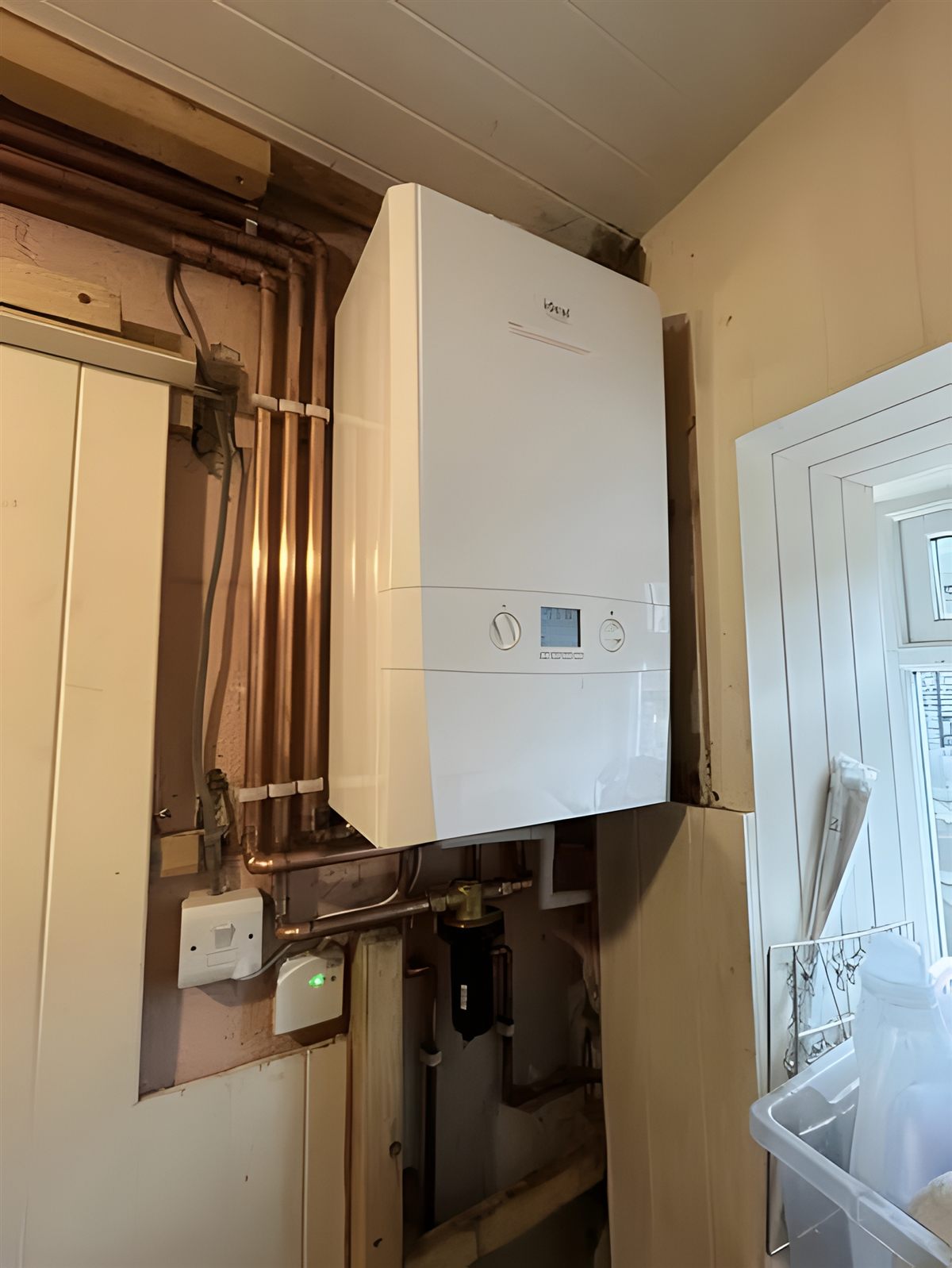
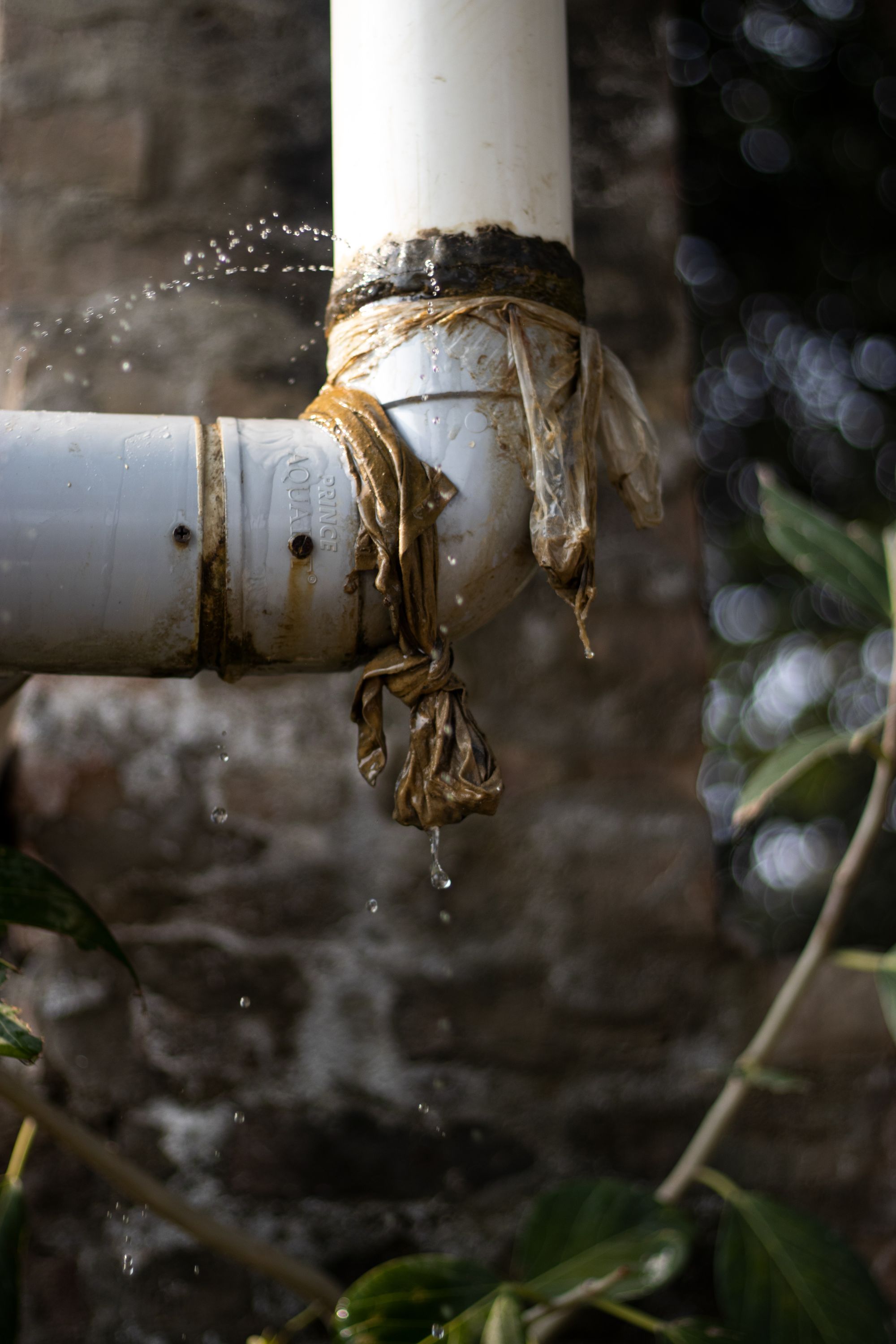
Damp and mould caused by leaks by SW Plumbing & Heating
Finding and fixing the plumbing and heating leaks behind damp patches and mould across Skipton, the Yorkshire Dales, Craven and East Lancashire.
When damp comes from a leak
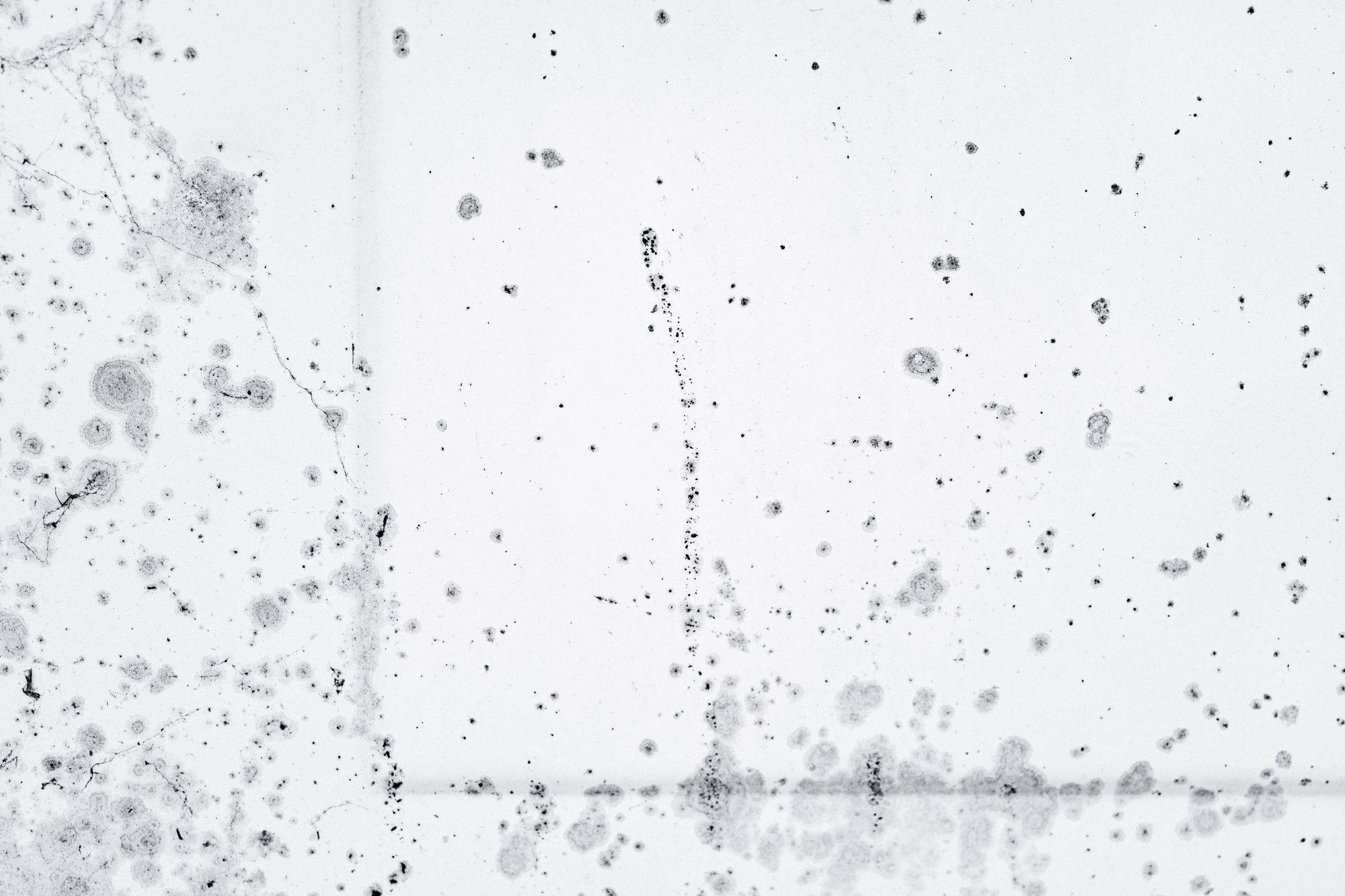
Damp and mould have several causes. Condensation, rising damp and rain getting in through the roof or walls are common. But a slow leak from a pipe, radiator, shower or toilet can cause the same stains, smells and mould, and no amount of cleaning or repainting will stop it coming back.
We find and fix the plumbing and heating leaks behind damp across Skipton, the Yorkshire Dales, Craven and East Lancashire. We’ll explain what we find in plain English and agree the price before any work starts. We don’t offer mould removal or damp proofing, but once the leak is fixed, the area can dry out and be put right.
Signs the damp may be a leak
Damp from a leak tends to look different from condensation. It’s worth getting it checked if you notice:
- A damp patch in one spot that keeps growing, often with a ring or tide mark
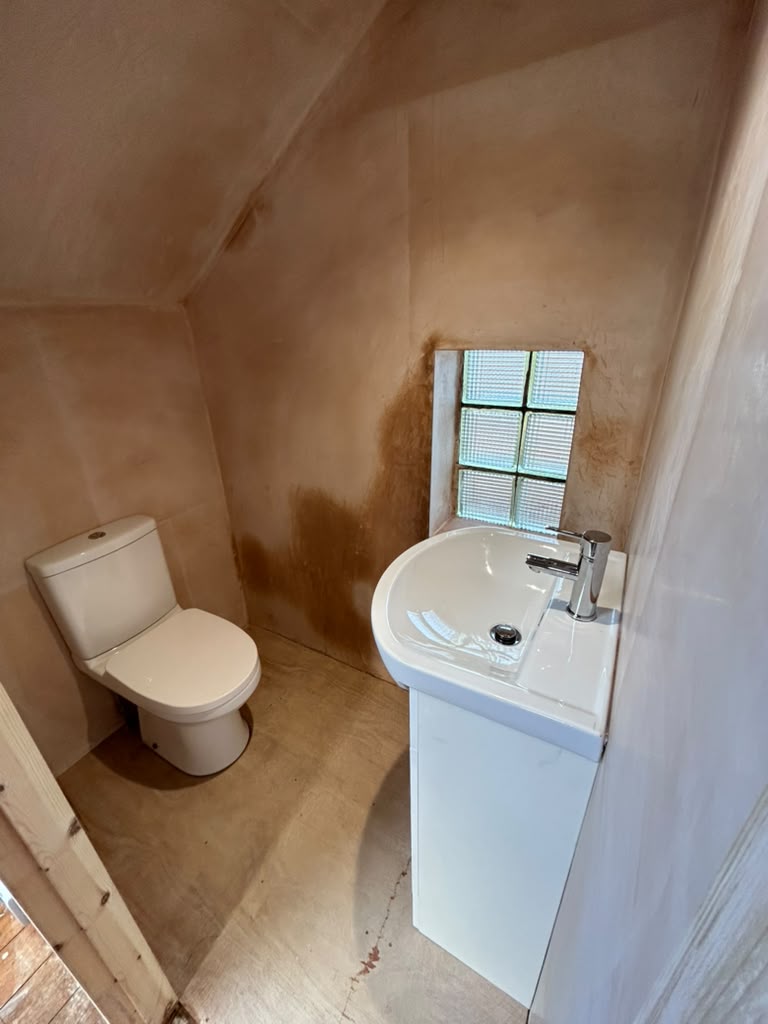
- Damp on a ceiling below a bathroom, or on a wall behind a sink, toilet or radiator
- Damp that’s there in dry weather as well as wet
- Bubbling paint, loose plaster or lifting floor tiles near water pipes
- Skirting boards or floorboards that feel soft or look swollen
- A musty smell in one room or cupboard
- Boiler pressure that keeps dropping, or a higher water bill
Condensation, by contrast, usually shows as mould spread across cold outside walls, window frames and room corners. It’s worse in winter and in rooms with little air flow.
Common leaks behind damp
Showers and baths
Failed sealant, cracked grout, a leaking shower valve or a loose waste can let water soak into the floor and ceiling below every time you shower.
Hidden pipework
Pipes buried in walls or under floors can leak at a joint for a long time before it shows. Heating pipes under floorboards are a common cause.
Toilets and basins
Worn seals at the base of a toilet, leaking pan connectors and drips from tap connectors under basins often show as damp on the floor or ceiling beneath.
Radiators and valves
A slow weep at a radiator valve can stain carpets and floorboards and leave damp along the bottom of the wall.
Tanks and lofts
Cold water tanks, hot water cylinders and pipes in the loft can leak or overflow, causing damp patches on upstairs ceilings.
Why it matters for your health
Damp and mould aren’t just unsightly. The NHS says they can affect your health, especially if you have asthma, allergies or a breathing condition, and for babies, children, older people and anyone with a weakened immune system. They can cause sneezing, a runny nose, red eyes and skin rashes, and can trigger asthma attacks.
If you’re worried about symptoms, speak to your GP or pharmacist. If you rent and the damp is caused by a leak, report it to your landlord in writing, as repairs to the water and heating pipes are usually their responsibility.
Things you can check yourself
- Note where the damp is and what is above or behind it, such as a bathroom, radiator or pipe run
- Watch whether it gets worse after using the shower, bath or a particular tap
- If you have a water meter, turn off all water use, take a reading, wait an hour without using any water and check again. If it has moved, there’s likely a leak
- Check the boiler pressure gauge over a few days. A steady drop suggests a heating leak
- Look under sinks, behind the toilet and around radiator valves with a torch
Taking a photo of the damp patch every few days shows whether it’s growing, which is useful when we visit.
What happens on the visit
We’ll look at the damp and ask how long it has been there and whether it changes. Then we check the plumbing and heating near it and above it, looking for where water could be coming from. Water can travel along pipes and joists, so the source isn’t always right next to the stain.
If we find a leak, we’ll explain the repair and agree the price before starting. If the damp doesn’t look like it’s coming from the plumbing or heating, we’ll tell you honestly so you can speak to the right trade, such as a roofer or a damp specialist.
Questions people ask
Will fixing the leak get rid of the mould?
Fixing the leak removes the cause. The area then needs time to dry out, and any mould needs cleaning or treating. Badly affected plaster or flooring may need replacing by a builder or decorator.
How long does it take to dry out?
It depends on how long the leak has been going and what the wall or floor is made of. Keeping the room heated and ventilated helps it dry faster.
How much will it cost?
It depends on where the leak is and how easy it is to reach. We’ll agree the price with you before any work starts.
“Highly recommended - Simone quickly solved the leaks we had and all at a reasonable price. Happy customer will use again!”
“I would definitely recommend Simone she was very knowledgeable and managed to sort my leak out in no time! I will definitely be using her again”
“Communication was excellent. Very knowledgeable, extremely thorough, will definitely use again. I would highly recommend. Thanks Simone”
Why customers choose us to find the leak behind their damp.
We turn up on time
You'll get a message on the morning, and another if we're running late.
We answer questions
We tell you what's wrong and what we're doing, in words that make sense.
We do things right
Careful work, neat pipework, and your home left as tidy as we found it.
We price fairly
You'll know the price before any work starts.
We're fully qualified
Gas Safe registered (No. 676264) for gas and LPG, so your boiler and appliances are fitted and checked to the rules.
We're local & reputable
Based in Skipton and working across the Dales, Craven and East Lancashire, with 5-star reviews from customers near you.
We're Gas Safe Registered
Gas Safe No: 676264
Stop the leak behind your damp.
Tell us where the damp or mould is and pick a day that suits you. We’ll get in touch to confirm a time.
 Call Simone
“Highly recommended - Simone quickly solved the leaks we had and all at a reasonable price. Happy customer will use again!”